
An afternoon left by the Seine
Paris for crossing bridges, sitting in cafés and waiting for the evening light.
November 10, 2026 · 19 min readWrite down everything you must see in Paris and the day fills up fast. Next to that list, leave one afternoon with nothing booked. Walking along the river and crossing whichever bridge you like. Looking out the window of a small café. Understanding a city takes time like that, too.
In this article · about a 9-minute read
- The river decides today's direction
- Scenes that carry on beyond the museums
- One cup of coffee, and the evening ahead
- On day one, divide Paris into small pieces
- Change the subject of your photos and the city changes
- Walking and eating don't have to keep the same pace
- Changing the afternoon plan when it rains
- Days walking alone, days walking together
- A small note to keep when you leave Paris
- With only half a day: staying between two points
- With a full day: putting one interest at the center
- Three things to hold on to when plans change
01The river decides today's direction
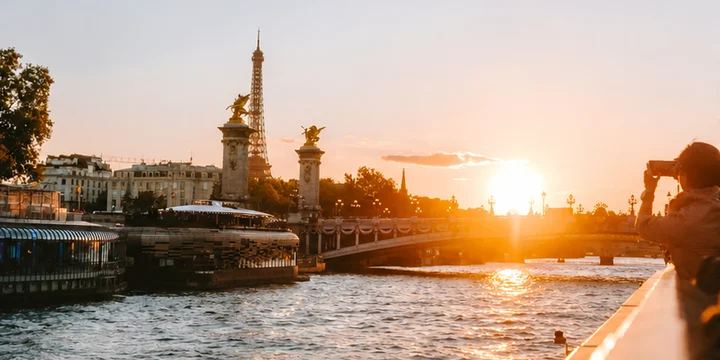
Open the Paris tourist office's guide to walking along the Seine and many bridges and museums link up like a single path. Rather than walking the whole stretch, pick two views you want to see. From the Pont des Arts, your gaze opens toward the Louvre, the Orsay and the Île de la Cité. Even in the short time it takes to cross the river, the same city shows a different face.
02Scenes that carry on beyond the museums
Walk the riverbank toward the Orsay and, across the water, the Tuileries Garden and the city's architecture become the backdrop of your stroll. You might divide your days into days for looking at art and days for looking at the streets. Today, walk with your mind on just one thing, such as the lines of the buildings or their reflections on the water. The route here is a suggestion for your itinerary, and it's fine to change it with the weather or on-site closures.
03One cup of coffee, and the evening ahead
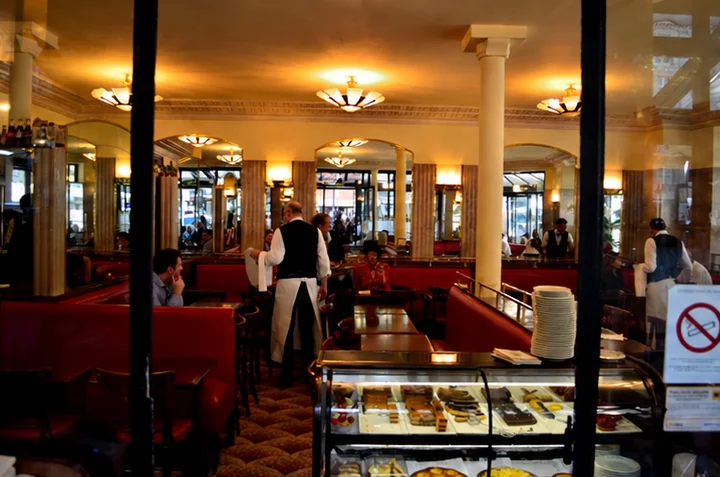
If you're heading toward Saint-Germain, save Café de Flore as a place to rest. The photo with the warm lighting and red seats is a record from 2015. Check the official guide again for today's menu and appearance, and look at the prices before you order. Whether to return to the river at dusk or stay longer at the café, leave it to how you feel at the time.
04On day one, divide Paris into small pieces
Having many places marked on the map doesn't make the direction of your trip any clearer. Scatter pins on both banks of the Seine and you end up crossing the river with every move, then retracing the same road. On day one, choose one small area, such as one bank and the lanes around it. Grouping nearby places means less time calculating travel and more time with the view in front of you.
Rather than packing the day from morning to night, one place you really want to see, two candidates for a meal and one spot to rest is plenty. You don't have to visit both restaurants. They are options to choose from if one is crowded or closed. If the wait gets long, you can pick another candidate instead of giving up on your next destination.
05Change the subject of your photos and the city changes
If you've taken a photo with the Eiffel Tower front and center, next time send the tower to a corner of the frame. Put the riverside railing, a passing boat and light reflected on the water in front, and a familiar landmark becomes a different scene. Capturing a famous building up close and capturing a day in the city where it stands are slightly different things.
In this article's photo of the Seine, too, the evening light and the ripples share your attention. You don't need to travel far to find the same composition. Look at the light and shadow where you're standing now, and the gaps between buildings. If people come into the frame, respect their space and pause for a moment somewhere you won't block the way.
06Walking and eating don't have to keep the same pace
A meal in Paris can be a comma that changes the mood of the trip. Try splitting the rhythm: have lunch somewhere convenient along the way, then pick a café in the afternoon where you can sit for a long time. If you chase famous restaurants for every meal, you may end up remembering the route more than the menu.
The Food & cafés tab gathers the official guides for Bouillon Chartier Grands Boulevards and Café de Flore. They aren't set up as a single course linking the two. Look at the direction you're walking today, how long you can wait, and the menu and budget together, and choose the one that suits you. It would be nice to have at least one day when you don't head straight to the next stop after a meal.
07Changing the afternoon plan when it rains
Rain doesn't make the day you planned disappear. Shorten the long riverside walk and check the opening days and entry method for the indoor places you already wanted to visit. If you find out whether same-day booking is possible and how long the entry line is before you head out, you'll spend less time scrambling for the next plan in the rain.
If you're walking with an umbrella, break the route into shorter stretches and add a café or indoor space in the middle. Check your way back again in the official transit app before you set out. The walks suggested in this article aren't a mandatory course for good weather. They're ingredients for your trip, and you can use just some of them to suit the situation.
08Days walking alone, days walking together
If you're alone, enjoy being able to stop as long as you like in front of a scene you love. Taking a photo and crossing the same bridge again, or reading in a café you hadn't planned on, is just as good. Rather than walking on while looking at your phone, though, it's more comfortable to stand somewhere safe, check your next direction and then move.
If you have company, each pick one place you want to see and decide on somewhere to rest together along the way. Your walking speeds and hunger times may differ, so it's important not to fill the whole schedule with one person's tastes. If you split up for a short look around, save not just the name of where you'll meet again but its exact point on the map.
09A small note to keep when you leave Paris
If your photo album is full of similar views, pick just three photos that stayed with you today. Write one sentence about why you took each, and the mood of the afternoon will be easy to recall days later. Instead of the name of a landmark, you can also keep a record only you know, like the sound you were hearing or the reason you wanted to rest.
When planning the next day, think first about the travel pace you enjoyed today rather than the number of places you haven't visited. If you walked enough, stay longer in one area tomorrow, and if crowds wore you out, leave time to move at an easy pace. The afternoon you left open by the Seine may become the benchmark for the whole trip.
10With only half a day: staying between two points
On a short day, rather than trying to see all of Paris in compressed form, pick one starting point and one end point. For example, look at the river around the Pont des Arts, then choose only the stretch of walking toward the Orsay side of the bank. If a scene you love appears along the way, stop for a moment, and if time runs short, it's fine not to reach the end point you set.
What matters in this plan is not how many sights you passed but how much time you left to stop. Travel time on the map doesn't include finding your way, taking photos and resting. If you have an appointment afterward, check your way back first, then adjust the length of the walk to the time you have left. Before you settle your route, check the day's road closures and transit notices too.
11With a full day: putting one interest at the center
If you can use the whole day, choose one interest. On a day you want to see architecture, look at the bridges and the buildings along the river. On a day you want to linger in cafés, decide on where to rest first, then walk around it. If you're visiting a museum, it's best to check opening days and entry reservations first and keep the walks before and after light.
If you're with family or friends, each pick one thing you love and leave the rest of the time open for everyone. Looking at the day's photos together in a café or talking over which lane to try next is part of the trip too. Try editing your day so that what you take away is not the satisfaction of having seen a lot, but the memory that each of you had one moment you loved.
12Three things to hold on to when plans change
When plans go awry on the spot, first check where you are, how much time you have left and how your body feels. Before rushing off to find the next place, sit down for a moment and check these three things, and your options become clear. Rather than trying to see more while tired, picking one nearby place on the way back may make for a better trip.
In this magazine's Location tab you'll find reference points to get your bearings again, in the Transport tab the official route guidance, and in the Essential apps tab the tools to prepare. You don't need to memorize all the information at once. Before the trip, read the article and pick the scenes you want to see, and on the ground, open only the tabs you need.
The blank spaces of a trip also become a scene, later on.
A travel guide newly compiled by TripTok from public materials of tourism authorities and operators. It is not a firsthand visit review.
Paris tourist office · Seine walking guide ↗Café de Flore · official guide ↗Before you visit, please check the official guide again for opening hours, menu and conditions of use.